Alsace, France
Discover Alsace from the inside
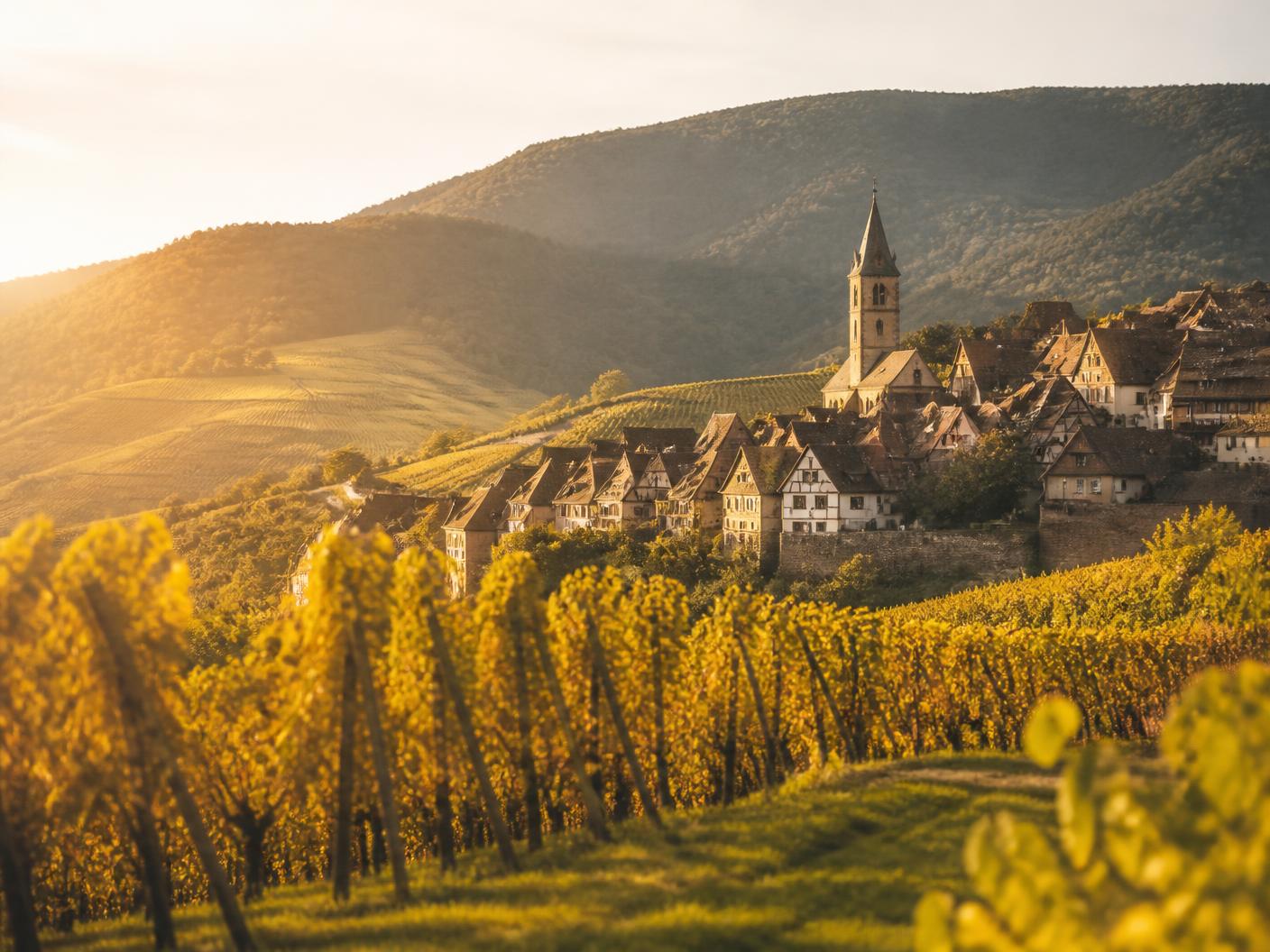
Between the Vosges Mountains and the Rhine lies one of France's most distinctive regions: vineyard-covered hills, medieval villages, family-run wineries and a food culture shaped by centuries of French and German influence.
Inside Alsace helps international travelers understand where to go, what to taste and how to experience the region beyond the obvious stops.
Independent English-language guide
Start exploring
Wine
Discover the Alsace Wine Route
Understand the villages, wineries, grape varieties and landscapes that make the route special.
Villages
Explore the villages
Kaysersberg, Riquewihr, Eguisheim, Ribeauvillé and the smaller places between them.
Food
Taste Alsace
Understand winstubs, local dishes, markets and what to order.
Plan
Plan your trip
Where to stay, how long to visit, whether you need a car and how to build a realistic itinerary.
The defining route
The Alsace Wine Route
The Alsace Wine Route is one of the defining ways to explore the region. It runs along the eastern foothills of the Vosges, linking vineyards, wine villages and the producers who work them — which is why most first itineraries end up following it.
Explore the Wine Route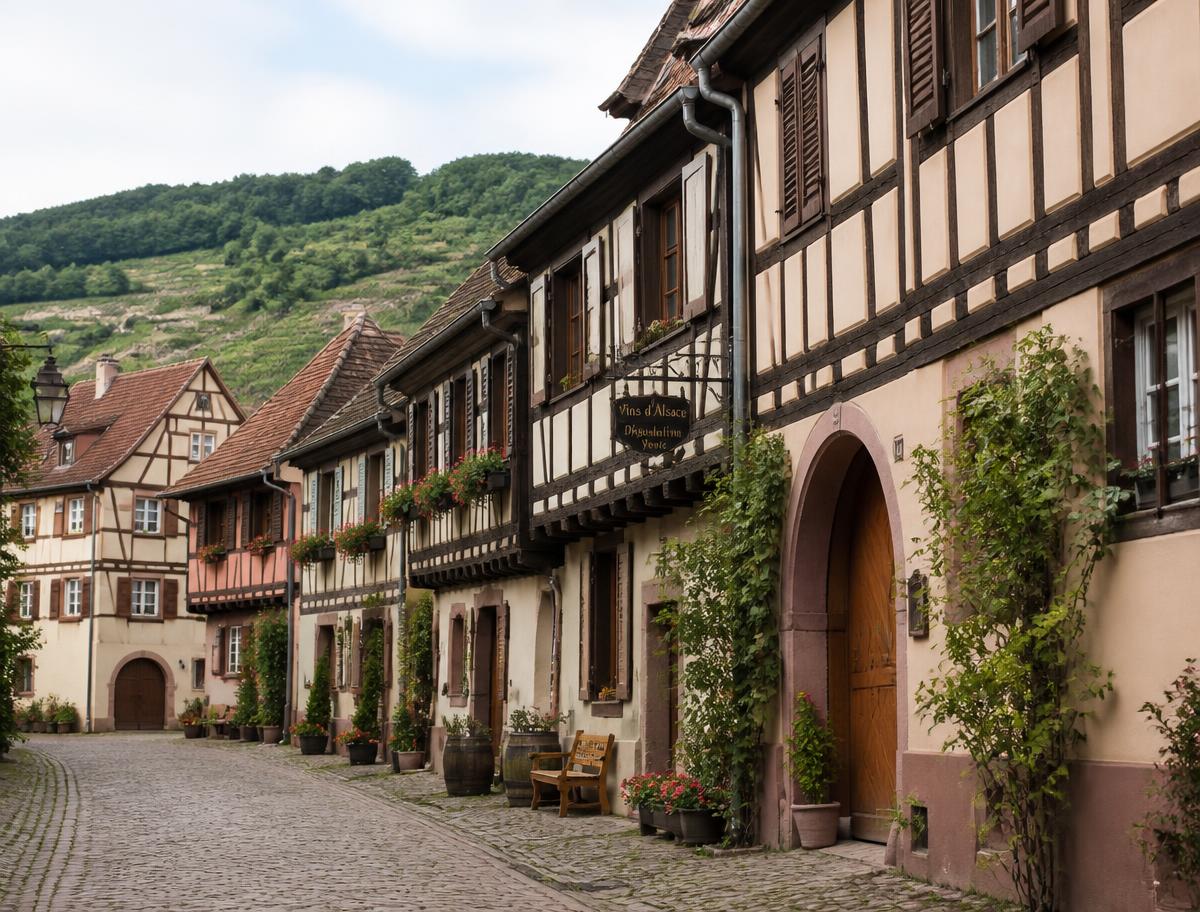
Villages worth knowing
A few of the places that shape the Wine Route, from a walkable village to the town most people use as a base.
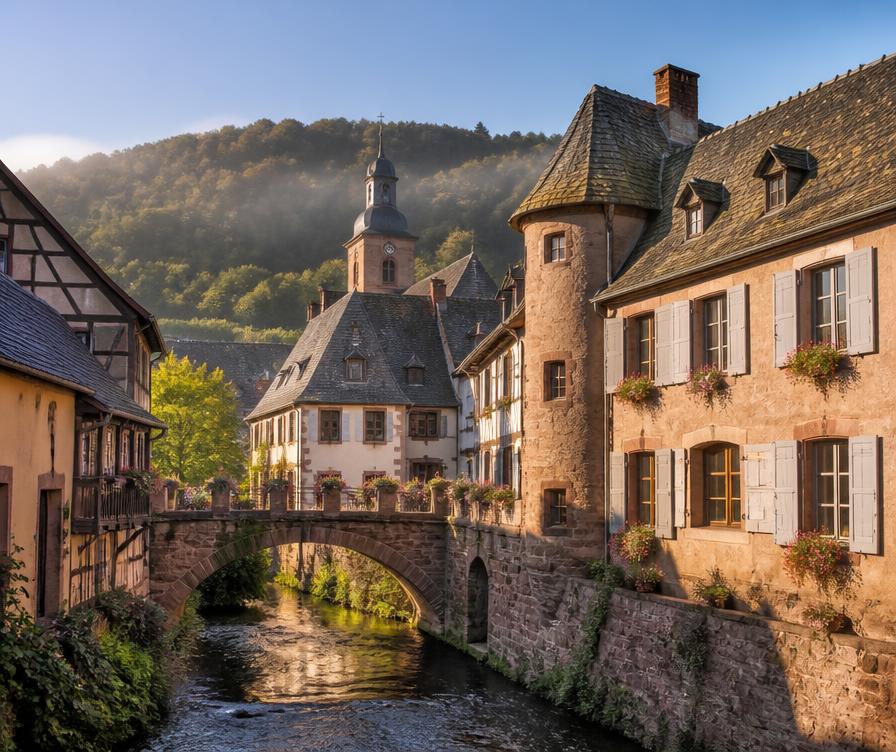
Kaysersberg
A compact Wine Route village below a ruined castle, walkable in an afternoon and surrounded by vineyards.
Read the guide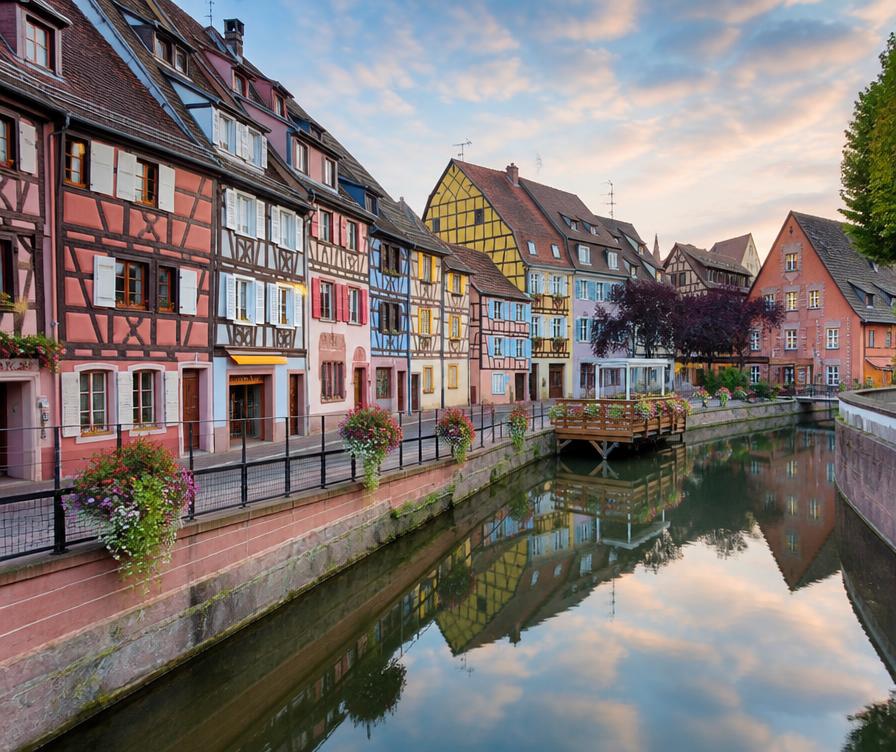
Colmar
The largest practical base in central Alsace, with a train station, restaurants and easy access to the Wine Route.
Read the guide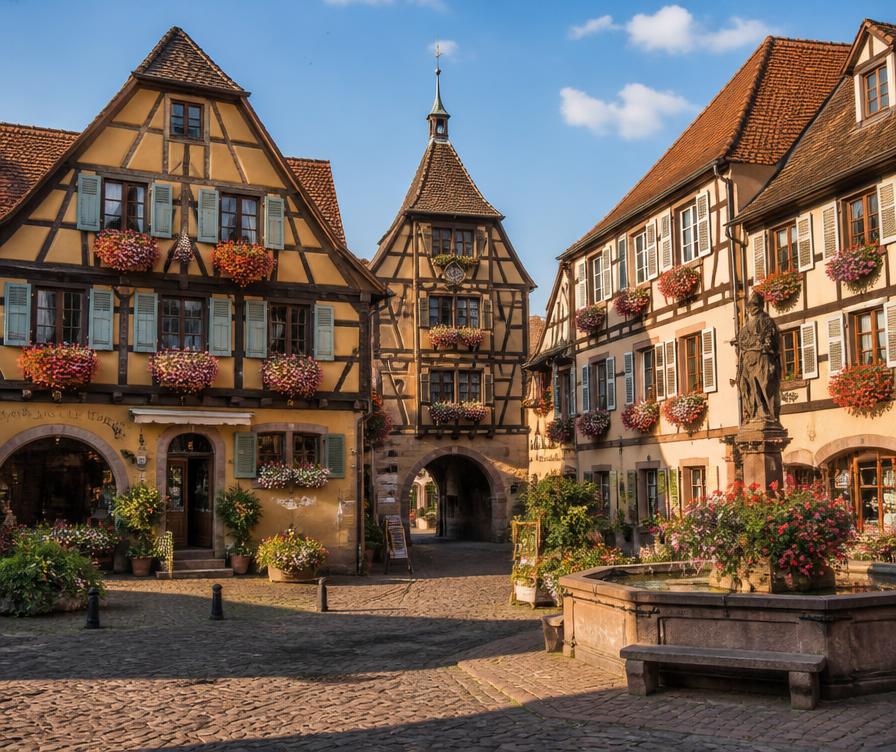
Riquewihr
A walled wine village surrounded by vineyards, busy by day and quiet once the coaches leave.
Guide coming later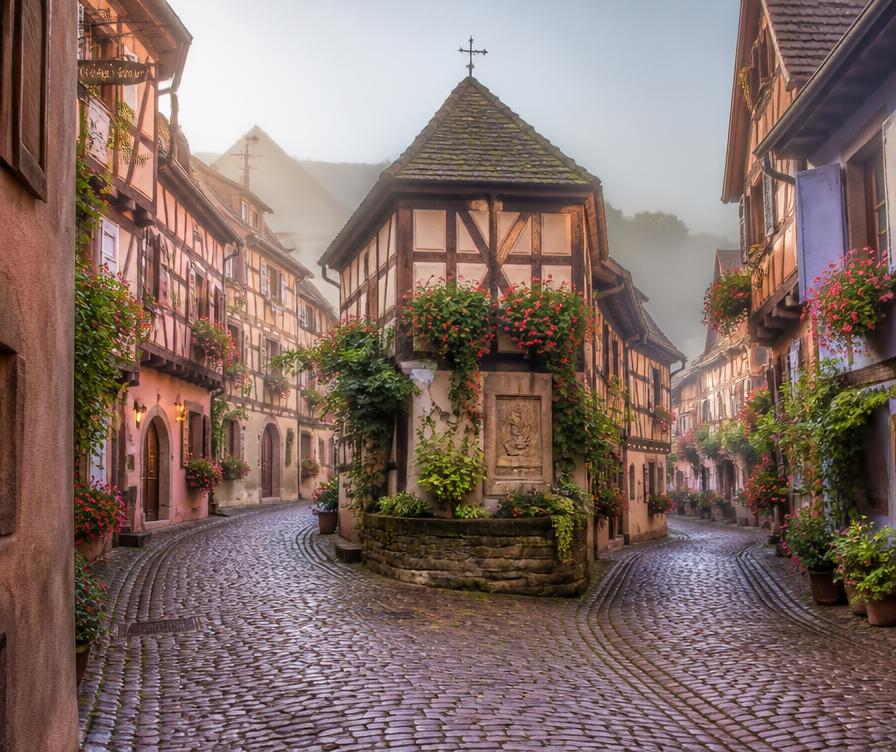
Eguisheim
Concentric lanes wrapped around a central square, a short drive south-west of Colmar.
Guide coming later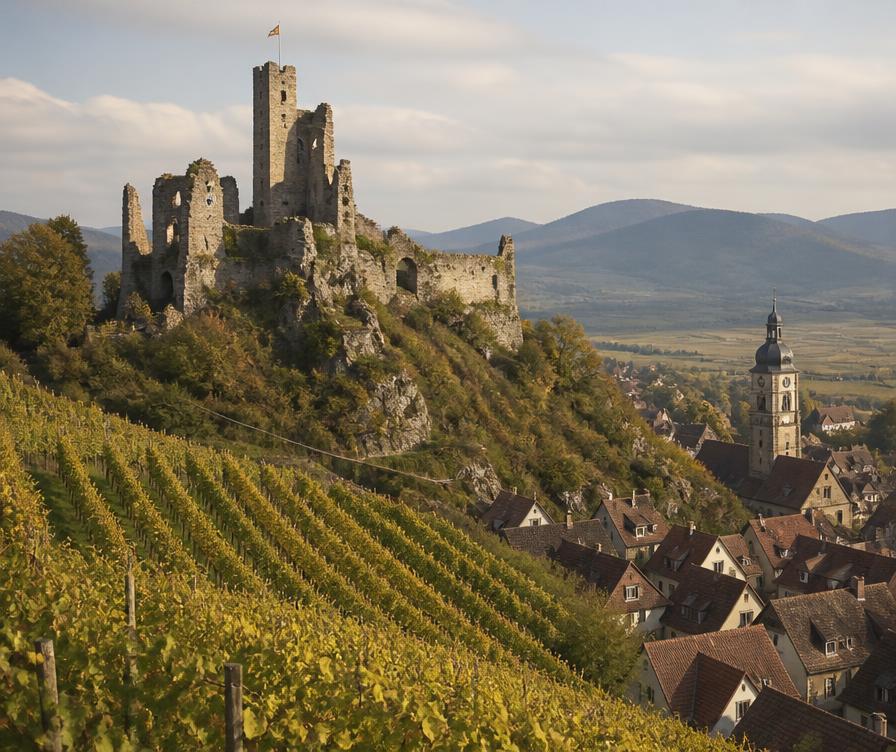
Ribeauvillé
A longer main street below three hilltop castle ruins, with vineyard walks starting from the village.
Guide coming later
Food
Taste Alsace
Alsatian cooking sits between two culinary traditions, and the vocabulary is part of the experience. A winstub is a wine tavern serving regional dishes rather than a formal restaurant; a tarte flambée is a thin, cream-based flatbread usually eaten in the evening; choucroute garnie and baeckeoffe are slow, generous dishes better suited to cool weather than a summer lunch.
Markets and bakeries are the simplest way in: bretzels, kougelhopf and the region's pastries need no reservation. Wine lists lean heavily on Alsatian bottles, and asking for a glass by grape variety — Riesling, Pinot Gris, Gewürztraminer — is normal.
A dedicated food guide is in preparation. Until then, the Wine Route guide covers what to drink alongside these dishes.
Planning your first trip?
Where you sleep shapes the whole trip
Choosing between Colmar and one of the Wine Route villages fundamentally changes the experience. Colmar is a town: it has a railway station, a wide choice of restaurants and enough life for several evenings, so you can visit Alsace without driving. A wine village such as Kaysersberg or Riquewihr is quieter, closer to the vineyards and calmer after dark, but it asks more of you in transport and expects earlier dinners.
Neither is better. The decision is about the pace you want.
Where to Stay in AlsaceInside Alsace is just getting started
This site is being built as an independent English-language resource for Alsace, based on careful research, first-hand local knowledge and practical information we check and date. It is a small project rather than a large editorial team, and we would rather publish five guides we stand behind than fifty we do not.
Where a detail can change — opening times, prices, transport, market dates — we leave it out until it has been verified, and show when it was last checked. More about the project.
- Published
- Last reviewed
- Region
- Alsace, France